Menu Close

PCOS

What is PCOS?

Polycystic ovary syndrome (PCOS) is a genetic, hormone, metabolic and reproductive disorder that affects women. It is the leading cause of female infertility. PCOS can lead to lifelong complications and other serious conditions including severe anxiety and depression, obesity, endometrial cancer, type 2 diabetes, liver disease and cardiovascular disease.

In a normal menstrual cycle, the ovaries release an egg every month. In PCOS, the follicles in the ovaries do not mature properly and the egg is not released. These immature follicles can build up and appear like small cysts in the ovaries.

PCOS is one of the most common hormonal conditions affecting women of reproductive age. It is often linked to higher levels of insulin and male hormones (androgens) in the body.

What are the Common Signs and Symptoms?

pregnancy-test
Trouble Conceiving or Infertility

emotion
Mood Changes
facial
Acne
emoji
Fatigue
syringe
Insulin Resistance
arrow-up
High Testosterone Levels
skin
Excessive Body Hair Growth
body
Weight Changes and Trouble Loosing Weight
uterus
Ovarian Cysts
arrow-down
Low Sex Drive
calendar(2)
Irregular or Missed Periods
woman
Male Pattern Baldness, Thinning Hair

How is it identified?

blood-test

Blood Tests

To measure hormone levels and rule out other causes of irregular periods or excess male hormones.
ultrasound

Ultrasound Scan

Transvaginal or transabdominal to look at the ovaries, count follicles, and check ovarian size.

Risk Factors

Insulin Resistance

Low Grade Inlammation

Family History

High Androgen Levels

Obesity
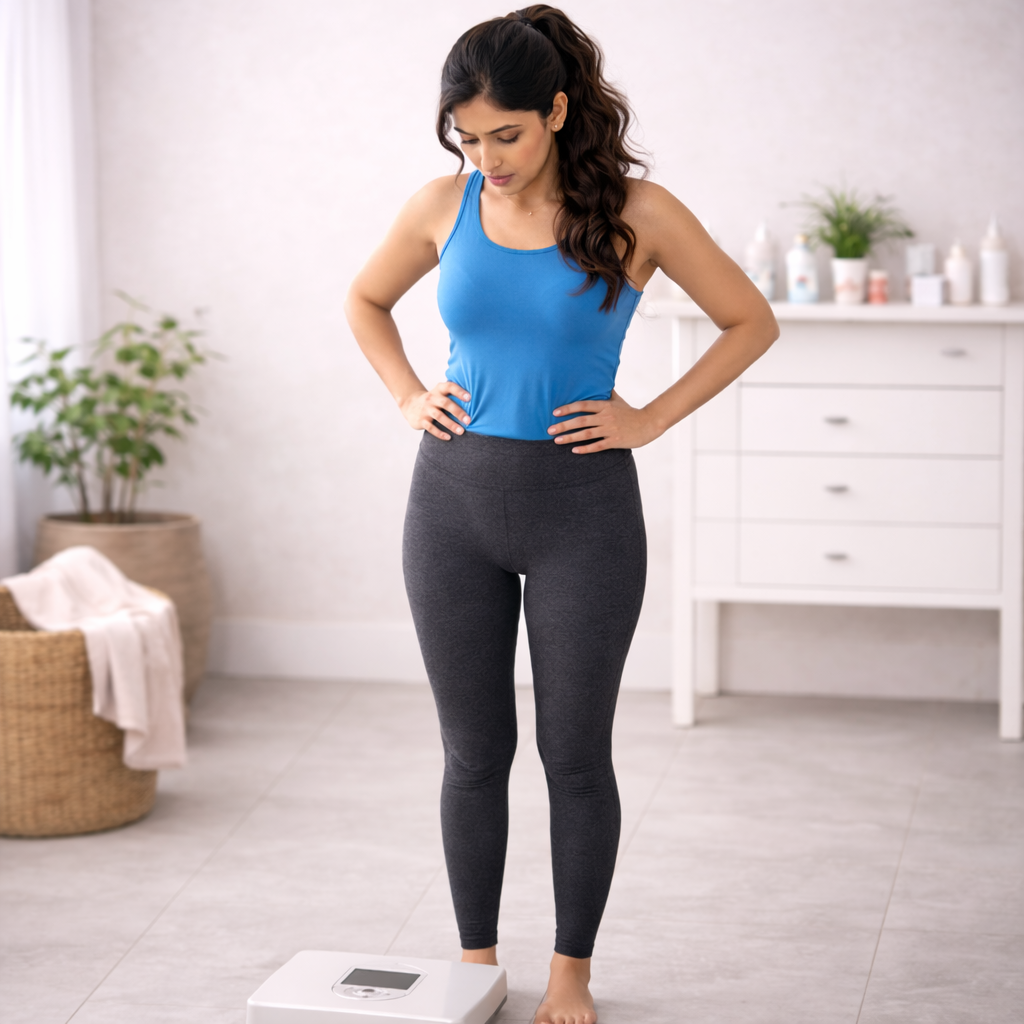
What Lifestyle Changes Should be Incorporated for PCOS Improvement?

Maintaining Healthy Body Weight

Reducing Stress Levels

Quitting Smoking

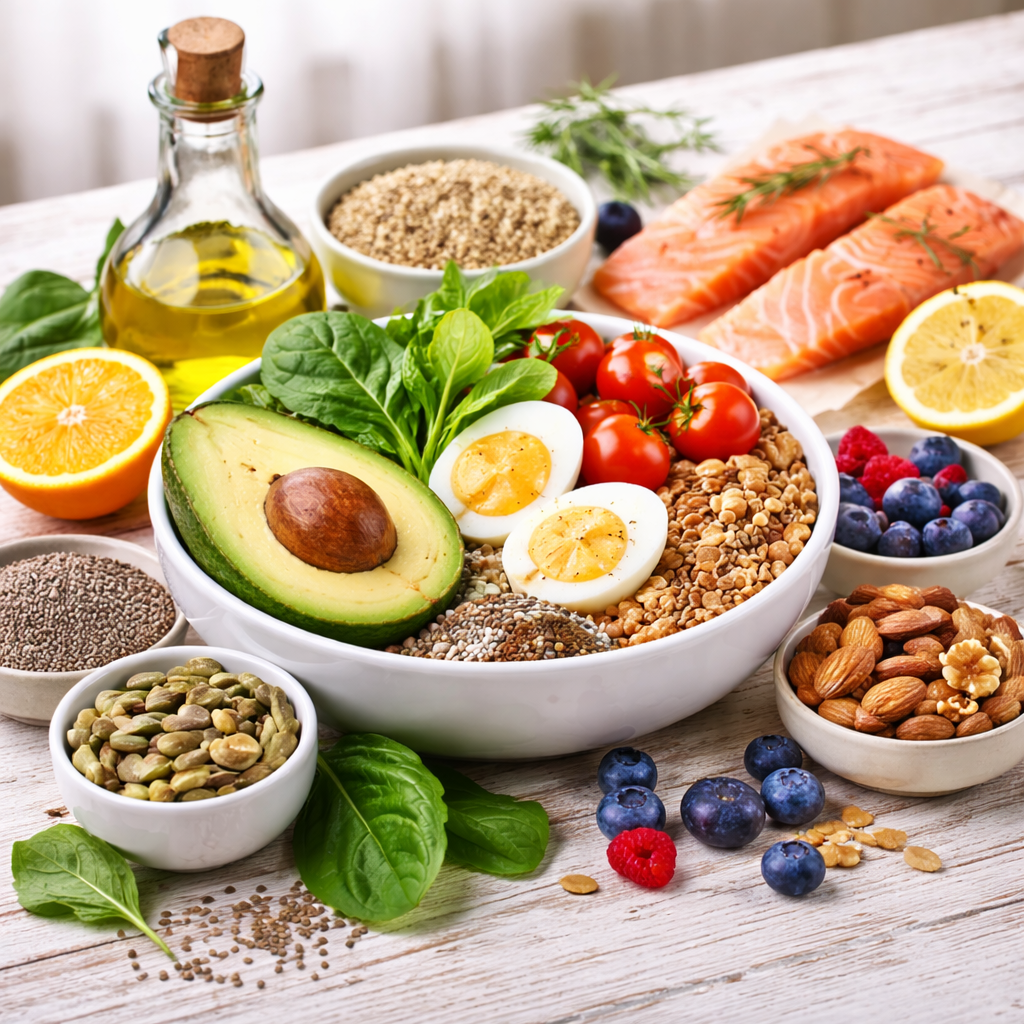
Incorporating Fertility Boosing Foods

Avoiding Exposure to Environmental Toxins and Pollutants

Managing Underlying Health Conditions

Limiting Alcohol Consumption

Incorporating Moderate Exercise

Getting Enough Sleep